Search News
Industry Portal
Popular Tags
FDA Tightens qPCR Data Integrity Rules
Author
Biotech Instrument Strategist
Time
Jul 05, 2026
Pageviews
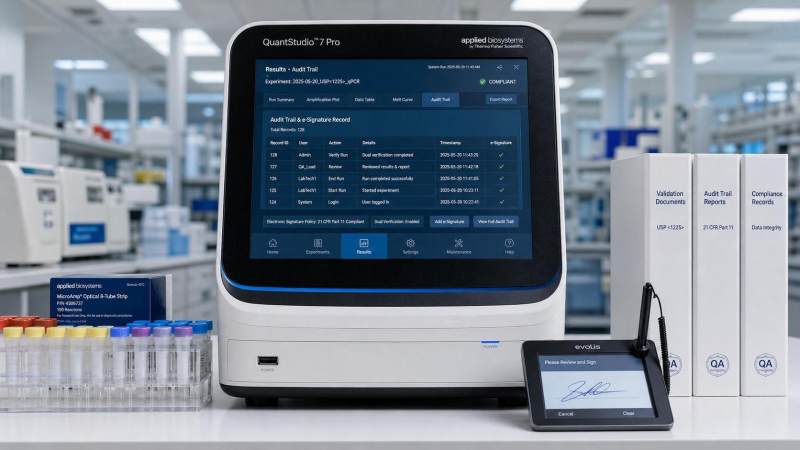
On July 4, 2026, the U.S. FDA issued an updated guidance for real-time qPCR systems that raises the compliance bar for products sold into the U.S. market. The update centers on a mandatory dual-control structure for Audit Trail and Electronic Signature functions, with implementation tied closely to 21 CFR Part 11 definitions. For qPCR manufacturers, software teams, regulatory affairs groups, and exporters, especially those shipping from China to the United States, the change deserves attention because it affects both product software compliance planning and FDA 510(k) submission strategy ahead of the October 1, 2026 effective date.
What the FDA Update Explicitly Requires
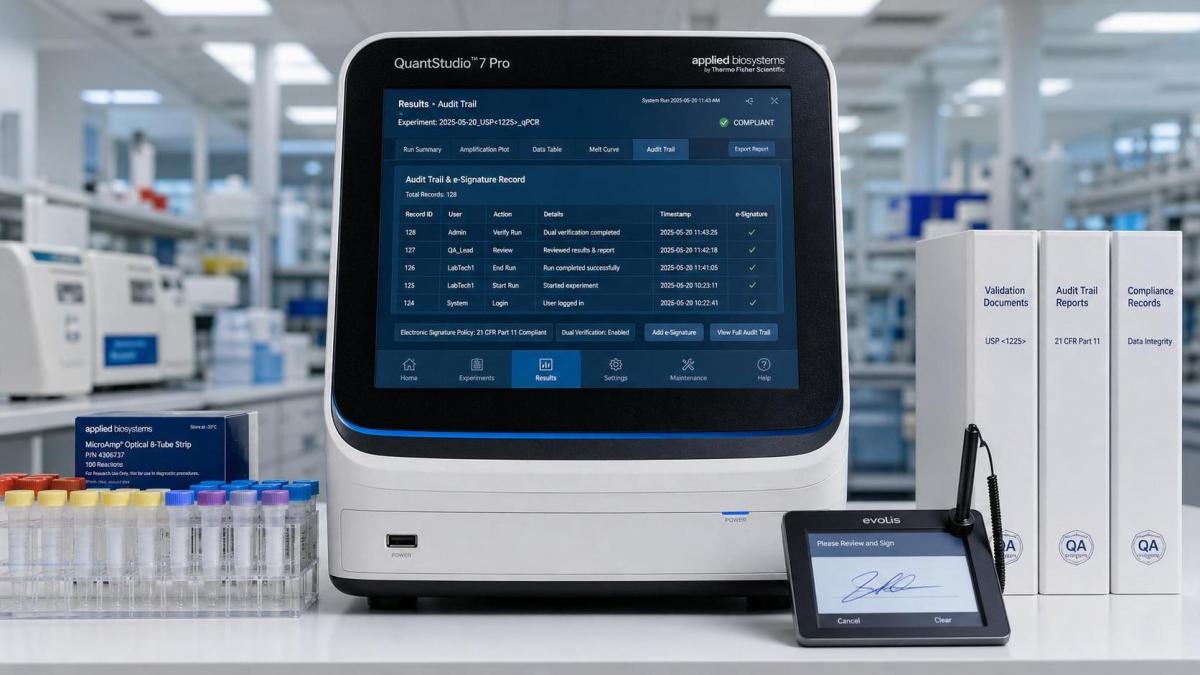
The confirmed facts are limited but clear. The FDA released Real-time qPCR Systems Data Integrity Guidance v2.1 on July 4, 2026. Under this guidance, all real-time fluorescent quantitative PCR systems sold in the United States must implement an independent dual-chain verification mechanism covering both Audit Trail and Electronic Signature functions. The guidance also states that these requirements must align strictly with the 21 CFR Part 11 definition of a system-generated audit trail. The guidance is scheduled to take effect on October 1, 2026.
The information provided also indicates that the update will directly affect the software compliance certification path and FDA 510(k) filing strategy of Chinese qPCR equipment exporters.
Where the Pressure Will Be Felt Across the Chain
Software compliance becomes a frontline issue for device manufacturers
From an industry perspective, the most immediate impact falls on qPCR system manufacturers selling into the U.S. market. The reason is straightforward: the FDA update is not limited to hardware performance, but reaches into how system records, signatures, and traceability are built into the software layer. The main pressure point is likely to appear in software architecture, validation documentation, and regulatory submission preparation.
Export-oriented suppliers face a narrower compliance path
Analysis shows that Chinese exporters of qPCR equipment may be affected more directly than firms serving only non-U.S. markets, because the guidance is tied specifically to products sold in the United States. The business impact is likely to appear in certification sequencing, submission timing, and the internal review of whether existing systems can support the required dual verification structure without redesign.
Regulatory and submission teams will need closer coordination with development teams
What deserves closer attention is the connection between the new guidance and FDA 510(k) strategy. For regulatory affairs and submission teams, this is not only a documentation issue. It may require earlier alignment with software, quality, and product teams so that compliance claims, feature implementation, and submission materials remain consistent.
Procurement and channel-side conversations may also change
Observably, distributors, procurement stakeholders, and service partners involved in U.S.-bound qPCR systems may need to pay closer attention to system software readiness and supporting compliance materials. The impact here is less about policy interpretation and more about delivery risk, product acceptability, and whether supporting records match the updated regulatory expectation.
What Companies Should Watch Before the Effective Date
Track how the rule language is interpreted in practice
Analysis shows that companies should focus not only on the wording of the guidance, but also on how the requirement for an independent dual-chain verification mechanism is interpreted in compliance work. The distinction between formal policy language and practical implementation will matter for design decisions, validation scope, and submission preparation.
Review whether current systems match the Part 11 alignment requirement
For firms already selling or preparing to sell qPCR systems in the United States, a practical priority is to review whether current Audit Trail and Electronic Signature functions are structured in a way that can be defended as strictly aligned with the stated Part 11 audit trail definition. This is a product-level and documentation-level issue, not only a legal reading exercise.
Reassess submission timing and internal handoff points
What deserves closer attention is the October 1, 2026 effective date. Companies working on U.S. market entry, model updates, or pending 510(k) planning may need to examine whether project schedules, validation packages, and internal approval milestones still fit the new timing assumptions. Where software updates are required, handoff risk between R&D, quality, and regulatory teams may become more visible.
Prepare for sharper customer and partner questions
Observably, exporters and channel-facing teams should also be ready for more detailed questions from buyers, partners, or reviewers about auditability, signature controls, and software traceability. Even where no immediate transaction is disrupted, customer communication and supporting materials may need to become more precise.
Why This Looks Like More Than a Short-Term Notice
Analysis shows that this update is better understood as a concrete regulatory signal rather than a routine wording change. The FDA has tied a specific technical expectation for qPCR systems to data integrity controls and to the framework of 21 CFR Part 11. That gives the notice operational weight, especially because an effective date has already been stated.
At the same time, it would be premature to treat every downstream market effect as fully settled. Observably, the confirmed facts establish the rule direction and the implementation deadline, but the scale of redesign, documentation adjustment, or submission impact will still depend on how individual manufacturers map the guidance onto their current systems and filings.
How the Market Is Best Reading This Update Now
At this stage, it is more appropriate to understand the FDA guidance as a compliance-defining development for qPCR systems entering the U.S. market, rather than as a broad industry conclusion about all molecular diagnostics equipment. The immediate significance lies in software controls, traceability expectations, and regulatory planning discipline. The broader commercial effect still requires continued observation, but the compliance signal itself is already clear enough that affected companies should not treat it as a distant issue.
Basis of This Article and What Still Needs Verification
This article is based on the user-provided news title, event date, and event summary. For this type of development, commonly relevant source categories may include official regulatory notices, company statements, industry association updates, authoritative media reporting, and standards-related documents. No specific official source link was provided in the input, so the exact primary publication link still requires ongoing verification.
Further observation should focus on any additional FDA wording, implementation clarification, and how affected companies adjust software compliance certification paths and FDA 510(k) submission strategies in response to the October 1, 2026 effective date.
Recommended News
- 2026/09/13Ultrasound Testing for Pipelines: Detecting Corrosion and Weld Defects Before FailureUltrasound testing for pipelines detects corrosion, wall loss, and weld defects early—helping teams reduce failure risk and make confident maintenance decisions.
- 2026/09/12Which Metrology Technology Trends Will Reshape In-Process Quality Control?Metrology technology trends are transforming in-process quality control with inline sensing, AI, CT, and closed-loop data—see what drives faster, trusted decisions.
- 2026/09/11Climatic Simulation Chambers: Which Temperature and Humidity Controls Matter Most?Climatic simulation chambers: discover which temperature and humidity controls ensure accurate, traceable test conditions and reliable qualification data.